Senate Committee on the Budget
The Senate Committee on the Budget is responsible for drafting a concurrent resolution on the budget for congressional action on spending, revenue, and debt-limit legislation. The Budget Resolution must be jointly agreed to by both the House and the Senate, but does not need to be signed by the President.
The Senate Committee on the Budget drafts Congress's annual budget resolution, which sets overall spending and revenue targets, and tracks how legislation measures up against those limits. It has jurisdiction over the Congressional Budget Office and plays a central role in the budget reconciliation process. The committee was established by the Congressional Budget and Impoundment Control Act of 1974.
- Members
- 20
- 10 R, 9 D, 1 I
- Bills referred
- 26
- 4 acted on
Members
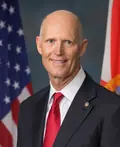
Republicans









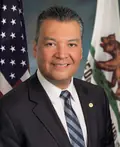
Democrats








Independents

Bills it has acted on
- H.Con.Res. 113Establishing the congressional budget for the United States Government for fiscal year 2027 and setting forth the appropriate budgetary levels for fiscal years 2028 through 2036.Placed on Senate Legislative Calendar under General Orders. Calendar No. 468.
- S. 2Secure America ActBecame Public Law No: 119-98.
- S.Con.Res. 7An original concurrent resolution setting forth the congressional budget for the United States Government for fiscal year 2025 and setting forth the appropriate budgetary levels for fiscal years 2026 through 2034.Resolution agreed to in Senate with amendments by Yea-Nay Vote. 52 - 48. Record Vote Number: 87. (text: CR S1119-1125)
- S.Res. 78An original resolution authorizing expenditures by the Committee on the Budget.Referred to the Committee on Rules and Administration. (text: CR S980-981)
Money
Campaign money of the 20 Senate Committee on the Budget members, from FEC filings. Fundraising totals are reported per two-year cycle; 2025 falls in the 2025-26 cycle.
- Raised by members
- $132.6M
- 2025-26 cycle
- From PACs in 2025
- $7.86M
- 1094 PACs
- Outside spending in 2025
- $5.42M
- For and against members
Where the members' money comes from, 2025-26 cycle
- Individuals61.7%$81.8M
- PACs12.8%$16.9M
- Party committees0.2%$252K
- Self-funded6.1%$8.08M
- Other receipts19.2%$25.5M
Top industries in 2025
PAC contributions to members, grouped by the industry behind each PAC. Open a row to see which members received it.
Top PAC donors in 2025
Share is each PAC's part of everything these members raised in the 2025-26 cycle. Open a row for the members it funded.
Outside spending in 2025
Spent to help members
- Texans for a Conservative MajoritySuper PAC$4.59M
1 member
- John Cornyn$4,586,847
- Senate Conservatives FundHybrid PAC$299K
5 members
- Roger Marshall$104,584
- Mike Lee$62,559
- Rick Scott$57,991
- Ron Johnson$46,476
- Bernie Moreno$27,018
- Senate Conservatives ActionSuper PAC$108K
5 members
- Roger Marshall$23,781
- Ron Johnson$22,882
- Mike Lee$22,882
- Rick Scott$22,882
- Bernie Moreno$15,795
- Working Families Party PACHybrid PAC$46K
1 member
- Tim Kaine$45,500
- Club for Growth PACMembership group$8K
1 member
- Pete Ricketts$8,327
- Givegreen United ActionSuper PAC$509
3 members
- Ben Ray Luján$309
- Jeff Merkley$120
- Mark R. Warner$80
- Texas Alliance for Life Fed PACSuper PAC$424
1 member
- John Cornyn$424
Spent to defeat members
- Lone Star Liberty PACSuper PAC$374K
1 member
- John Cornyn$373,875
- Cedar Key ProgressSuper PAC$2K
1 member
- John Cornyn$1,892
- Indigo PACSuper PAC$431
1 member
- Pete Ricketts$431